
EMBER IGNITE: Hamptons Avenue is a masterclass in Small Business Mindset, Retail, Growth & the Courage to Build Something New
Every small business begins with a spark — an idea, a feeling, a vision for how you want people to experience the space or brand you’re creating. But building a retail store, developing a brand, ordering stock, learning marketing, and showing up every day to run the business? That takes something deeper: mindset, creativity, resilience, and radical ownership.
Last week on Ember Ignite, we sat down with Matt, founder of Hamptons Avenue, to talk about what it really looks like to build a small business from scratch — the decisions, the doubts, the identity shifts, the unexpected wins, and the moments of alignment that tell you, yes, this is working.
For small business owners, retailers, and e-commerce founders, this episode is a masterclass in trusting yourself, backing your vision, and turning every challenge into a growth opportunity.

1. Vision Comes First — Even Before the Business Plan
When Matt first imagined Hamptons Avenue, he started with a vision: a calm, beautiful, coastal-inspired space that made people feel at home. For many small business owners, especially those starting a retail or e-commerce brand, this is the piece that gets lost. But vision is what guides:
Store layout
Product selection
Market positioning
Brand identity
Visual merchandising
Customer experience
Without a clear emotional anchor, it’s easy to drift into trends, comparison, or second-guessing. Strong retail brands are built from a clear feeling — and the courage to commit to it.
2. Wearing Every Hat Is Not a Flaw — It’s the Early Business Model
New business owners often underestimate how many roles they’re stepping into:
Founder.
Buyer.
Marketer.
Salesperson.
Visual merchandiser.
Customer service rep.
Operations manager.
Problem solver.
Decision-maker-in-chief.
It’s not glamorous — but it’s necessary.
And for Matt, this “many hats” stage became a mindset lesson:
Running a business teaches you who you’re becoming — not just what you’re building.
It demands courage. It builds resilience. It sharpens your intuition. It forces you to become someone who can make decisions even when you’re uncertain. This is the kind of entrepreneurial growth no course can teach — you learn it by showing up.
3. Stock Ordering: The Heartbeat of Running a Retail Store
One of Matt’s biggest takeaways? Stock ordering is the most important — and most challenging — part of running a retail business.
It requires:
Predicting customer demand
Balancing budget constraints
Understanding your brand identity
Staying consistent with your aesthetic
Managing cash flow
Recognising trends without being reactive
For many small retail stores, poor stock decisions can be the difference between stable growth and stagnation. Matt learned quickly that ordering stock isn’t just logistical — it’s emotional and strategic. It requires clarity, courage, and trust in the brand you’re building.
4. Trust Yourself — Especially When It’s Hard
One of the strongest themes in Matt’s journey is self-trust.
Trusting your taste. Trusting your product choice. Trusting your pricing. Trusting your business instincts. Trusting that slow days don’t mean failure. Trusting the process, even when there’s no immediate feedback loop.
This is where so many small business owners get stuck — not in strategy, but in belief.
Matt’s story is a reminder: Your brand strengthens as your self-trust strengthens.Your business grows as your confidence grows.

There’s something special about a space built with clarity and courage. Hamptons Avenue isn’t just a 
A moment inside Hamptons Avenue — where calm, coastal style meets intentional design. Every detail h 
The beauty of small business? Every shelf, every vignette, every product is a decision made with pur 
Retail is part creativity, part logistics, part instinct — and somehow Hamptons Avenue makes all thr 
Interior vignettes that feel like home. Hamptons Avenue curates not just products, but moments — the 
A brand is more than colours or signage. It’s the quiet consistency in how a space feels. Hamptons A 
Small business win: when your store looks exactly the way you pictured it months ago. This space is 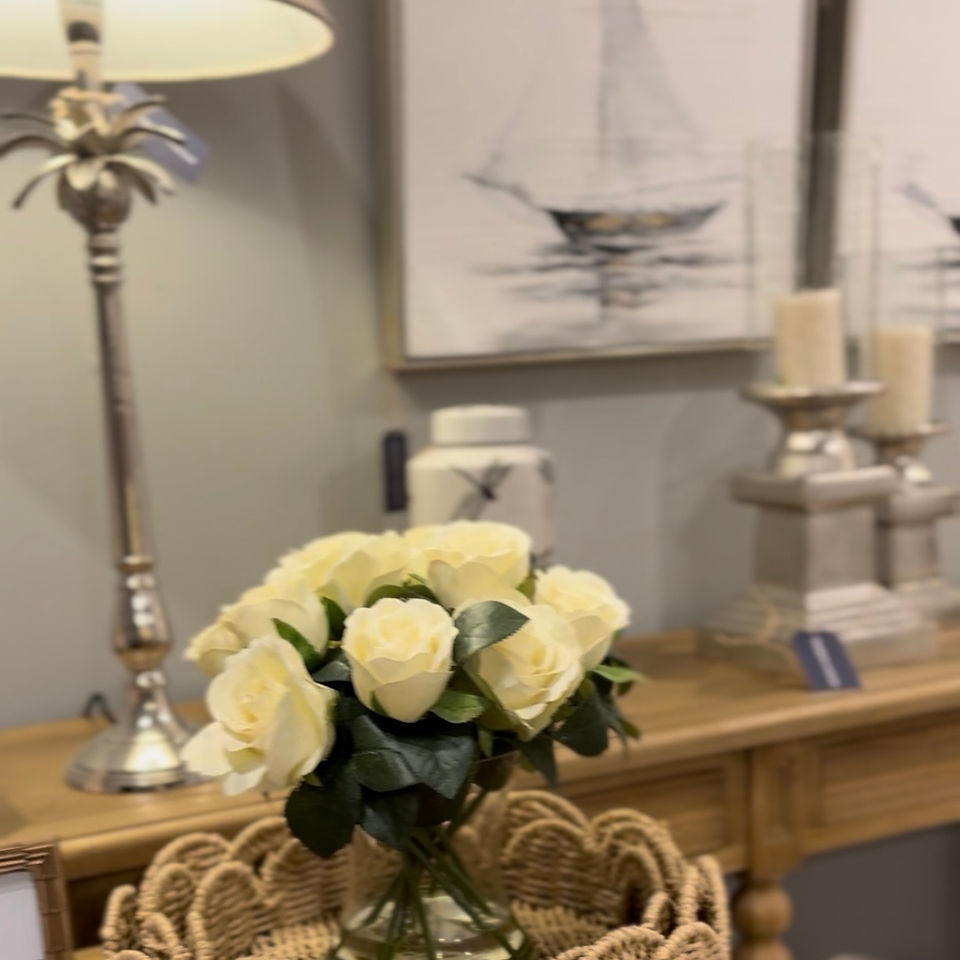
Behind every beautifully styled shelf is a founder who chose the products, unpacked the boxes, shift
5. Radical Ownership: Your Business Becomes What You Make It (Small Business Mindset!)
Every successful founder eventually reaches a turning point; the moment they understand that everything in their business reflects a choice they made or avoided. This is small business mindset at its' purest. That moment for Matt came during Hamptons Avenue’s annual Christmas event — a day where everything aligned. The space felt right. The customers were engaged. The atmosphere matched the vision. The brand clicked into place.
That’s alignment. And alignment comes from ownership.
Radical ownership means:
You take responsibility for the customer experience
You refine what isn’t working
You acknowledge what is working
You face challenges directly
You turn problems into opportunities
You lead your business — you don’t wait for it to lead you
It’s one of the most underrated skills in entrepreneurship.
6. When a Customer Isn’t Happy: This Is Where Small Business Owners Grow Most
Every retail or e-commerce founder eventually faces it: A customer isn’t happy. A purchase didn’t meet expectations. A miscommunication happens. Most new business owners fear this moment — but Matt reframed it as an opportunity.
Instead of avoiding or over-apologising, he learned to:
Stay calm
Get curious
Understand the root issue
Offer a solution that aligns with brand values
See the situation as data, not disaster
These moments build a founder’s character more than any success. And when handled well, they build customer loyalty.
7. Challenges Aren’t Roadblocks — They’re Growth Indicators
Challenges don’t mean you’re failing. Challenges mean you’re building something real.
Matt’s biggest mindset shifts came not from the easy days, but from:
Logistics he didn’t expect
Decisions he had to make quickly
Self-doubt that appeared during slow weeks
Stock choices that required courage
Customer interactions that made him rethink systems
Every challenge reshaped the business — and reshaped him as the founder. That’s why resilience becomes a brand asset, not just a personality trait.
FOOD FOR THOUGHT (For Small Business Owners):
Clarity + Vision
What vision am I building toward — and does my space/products/marketing reflect it?
What emotional experience do I want my customers to have?
Mindset + Identity
Where do I need to trust myself more as the founder?
What area of my business requires more courage or decisive action?
Retail + Operational Insight
What is my current stock strategy — and does it align with my brand?
What data or patterns can I use to improve future ordering?
Customer Experience
How do I currently handle unhappy customers — and what would alignment look like?
What small adjustments would make my customer experience more intentional?
Action + Growth
What problem am I avoiding that could actually become an opportunity?
What’s one aligned step I can take this week to move the business forward?
Hamptons Avenue is a reminder that small business success isn’t just about having a good product or a pretty space. It’s about mindset, vision, resilience, alignment, and the courage to trust yourself while you build something new.
If you’re a small business owner — especially in retail or e-commerce — let Matt’s story encourage you:
You are capable of more than you think.
Your instincts are stronger than you realize.
Your challenges are shaping you, not stopping you.
And the vision you’re building toward deserves every ounce of belief you put into it.
This is what Ember Ignite is about: Real founders + Real stories + Real growth. If you're local to Brisbane and interested in a feature for your business, please get in touch!


Comments